
4 Words; 1 Frightening Hole
Below the paywall: A West Coast lumber run.

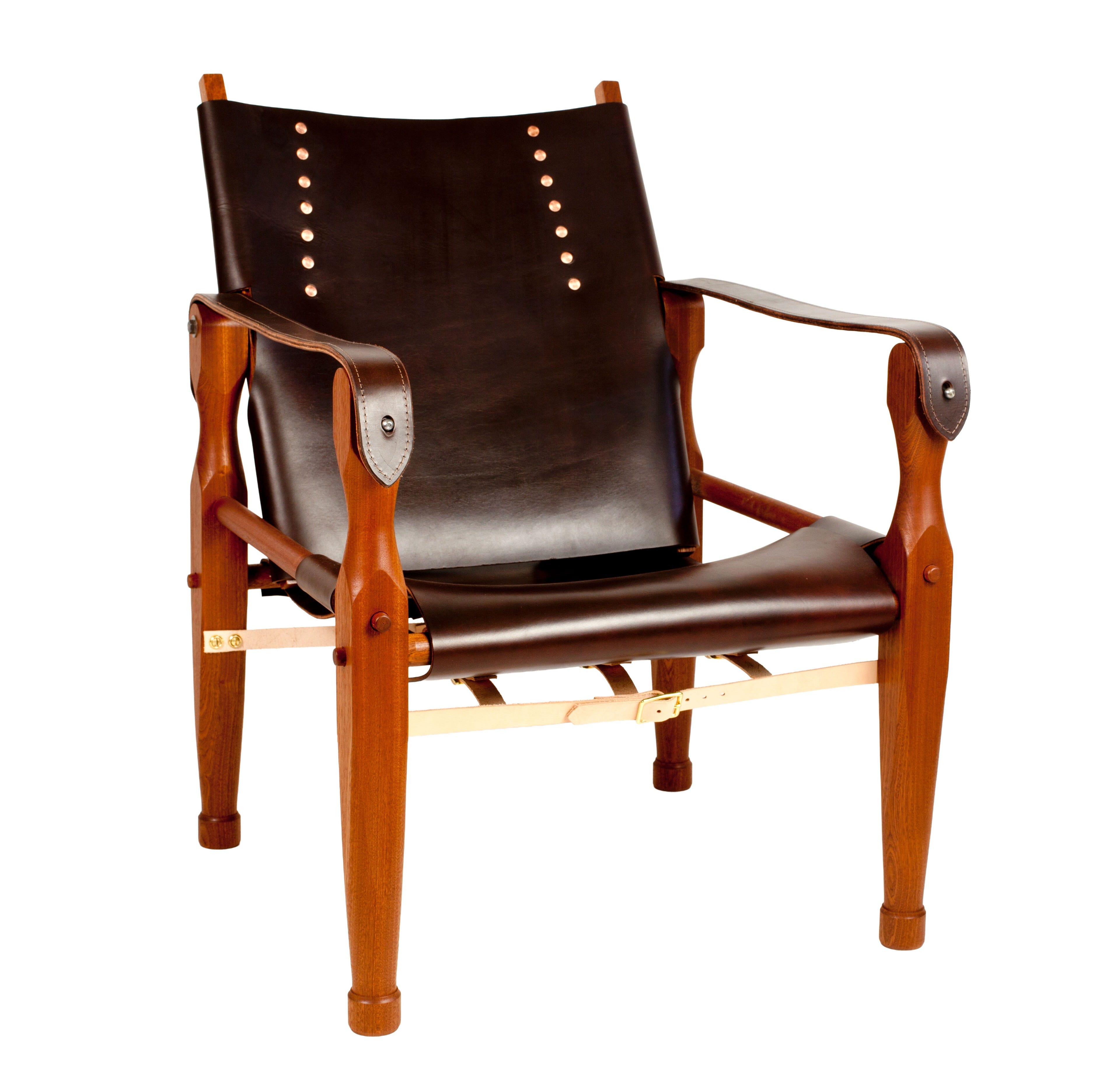
When I began to build Roorkee chairs1 for sale, I used my old midi lathe to turn the mahogany sticks between the legs. But after about 40 sticks, I looked for a faster way. After all, the sticks are just simple cylinders with tapered tenons on both ends. They are, for the most part, pointy dowels.
I found a dowel manufacturer nearby willing to make them if I bought in bulk. I drove to the factory to talk about the job, and we discussed how important it was that the grain was dead straight.
“No problem,” they said. “We know how to pick for dead straight.”
When the first batch of 100 sticks showed up, they looked great. At least as far as I could tell. Mahogany’s grain can be tricky to read. It’s interlocked, and the fibers can swirl a lot. On some of the sticks, I couldn’t tell which way the grain was running, exactly.
“They know straight,” I said. “It will be fine.”
No problemo, right?
Narrator voice: But it was all problemo.2
In fact, I almost died from embarrassment. This was the Year of Our Frog 2012, and I was asked to present at the Woodworking in America event in Pasadena, California. One of my sessions was on campaign furniture,3 so I brought a few Roorkees because they’re easy to disassemble and ship.
I set them up on stage, I performed the Dancing Monkey Show and the attendees clapped. Afterward, several asked if they could sit in the chairs.
No problemo!
The first guy to sit in the chair cracked a stick. The chair instantly disassembled around him, and he almost got a free vasectomy/colonoscopy/liver kabob from the jagged stick.
Lucky for everyone, no one was injured.
I went home and smacked the remaining sticks with a hammer (this was an early anger-based version of the “Hammer Test” I wrote about in “The Stick Chair Book”). That day, I learned to read the grain of mahogany like a pigeon reads your cheese fries.
But I hadn’t learned the entire lesson.
Last year, one of my stick chairs was destroyed in transit. The crate somehow plunged from a great distance (or at great speed). When it landed, the chair’s legs were rammed upward and broke the elm seat.
I could have blamed the trucking company, but after some thought, I blamed myself.
The packing job wasn’t the problem. It was the crate itself. One day a couple years ago, I neglected to buy a 4x4 from the lumberyard to make the two skids I attached to the bottom of the crate. The skids lifted the crate off the floor so a forklift could easily pick it up. On the day of neglect, the truck was on its way to pick up the crate, so I said to myself: “It will be fine.”
And I put the crate on the truck without its skids.


You know what? It was fine. That chair arrived at its destination, no problem. During the next couple years, I had zero problems with my skidless crates. Occasionally a forklift poked a hole in a crate, but that happens when you ship things.
After my chair was destroyed, however, my brain solved the problem.
Keep reading with a 7-day free trial
Subscribe to The American Peasant to keep reading this post and get 7 days of free access to the full post archives.